A place to gather. A path to get there.
Turn an unused corner into your outdoor dining room, or make the walk through the garden part of the pleasure. Start with the routes, materials and space your everyday life needs.
Let’s plan your garden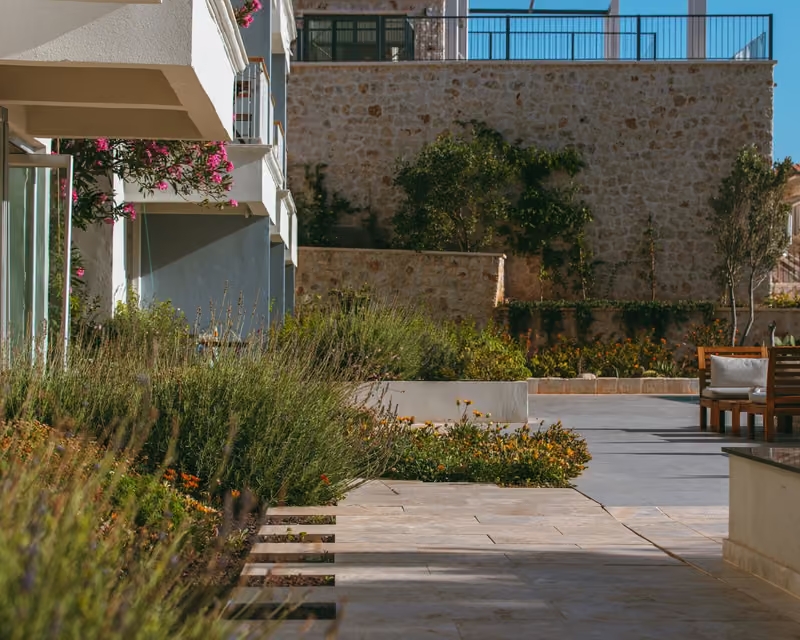 MAKE ROOM FOR A LITTLE MORE OUTSIDE.
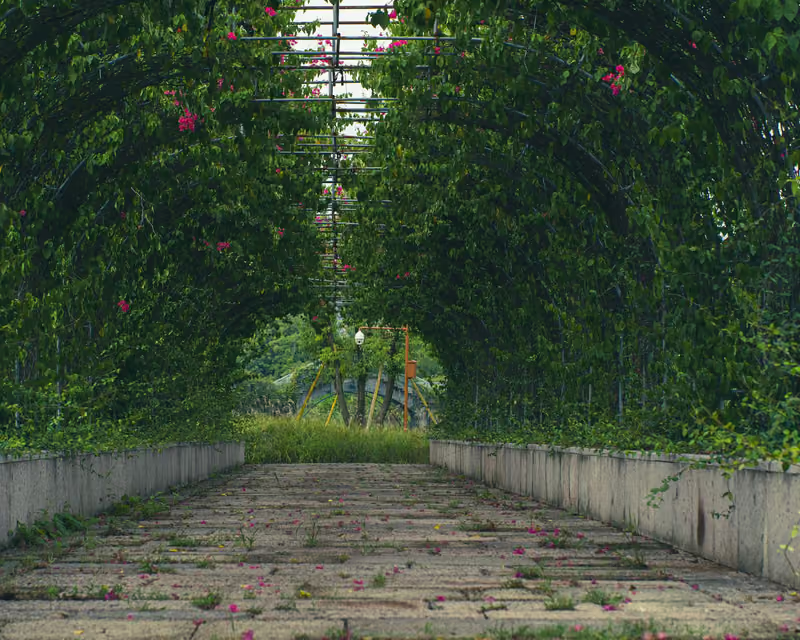
Start with movement and furniture, not just a shape
The size and position of a paved area should respond to how people will approach it, sit, eat and move around it. Paths benefit from the same attention: their route, transitions and connection points matter as much as their finish. We review existing grades and access as part of defining a workable layout.
- Gathering area: Describe typical use, seating or dining needs, shade preferences and how the patio connects to the house.
- Pathway: Identify where people need to go and which routes should feel direct, gradual or secondary. Consider steps, gates and changes in level.
- Edges and transitions: Review how paving meets planting beds, walls, thresholds and existing surfaces. These junctions affect both the look and practical use of the finished space.
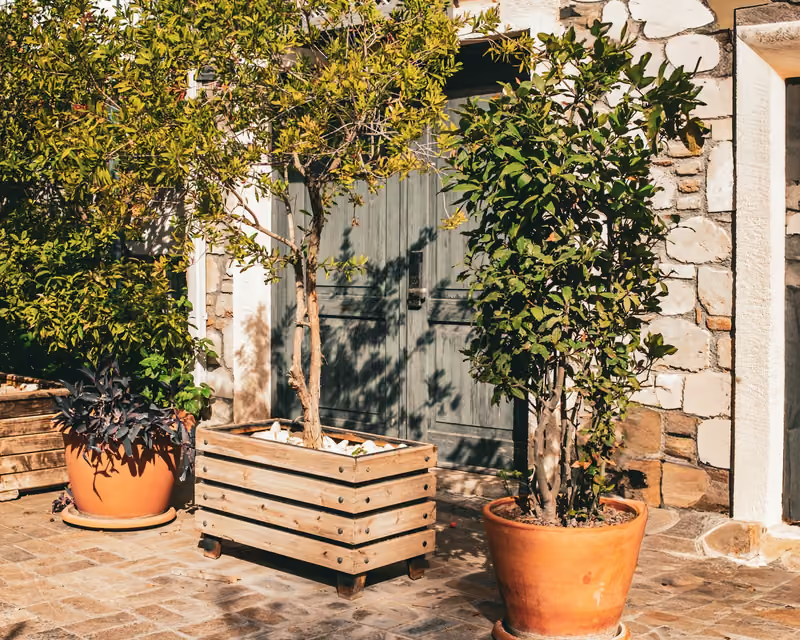
Appearance is one part of a durable installation
Pavers, stone and other paving options differ in texture, color variation, upkeep and how they sit alongside the home. The substrate, slope, drainage and preparation also influence the finished work. Material samples and an on-site review can help compare options; a specific build-up should be selected for the actual conditions and intended use.
- Discuss finish, color, jointing and how the proposed material relates to existing exterior finishes.
- Review drainage patterns, irrigation lines, tree roots, utilities, access for materials and any level changes before defining the work.
- Confirm what demolition, base preparation, edge restraint, cleanup and repair are included. Utility locating, permits or specialized drainage work may need separate coordination.
Know what is included before installation
The written scope should describe the work area, chosen material, site preparation, transitions and exclusions. It should also record any assumptions that depend on conditions beneath existing paving or soil. If planting or lighting will follow, discuss how the hardscape plan can leave those decisions room to work.
A little more
clarity.
Can you match an existing patio or path?
We can review the existing material and discuss compatible options. Exact matches may not be available, and age, weathering and product changes can affect how new work relates to the old.
Will a new patio solve drainage problems?
Not automatically. Drainage needs to be assessed in the context of grades, soils, existing outlets and nearby structures. Any proposed drainage work should be clearly described and may call for a specialist.
Can paving be completed in phases?
A phased approach may suit the project. The layout and edges should be considered early so later work can connect cleanly, subject to materials and site conditions.
Bring the pieces together.
Good things
start in the garden.
Bring the big idea. Or the small corner you keep thinking about.